
.png)
Wildlife and Environmental Conservation
Plot 4435, Kumoyo Road, Long Acres. P.O Box 30255, Lusaka, Zambia, 10101.
+260 954192660
Speciality Items
Nature Conservation, Children's Nature Education, Public Awareness on Environmental Issues
About the Company
The Wildlife and Environmental Conservation Society of Zambia (WECSZ) is the oldest and most established environmental non-governmental organization in Zambia. Founded in 1953 it has been a foundational pillar for conservation, policy advocacy, and environmental education in the country for over 70 years.
Based in Lusaka (headquartered in Longacres), it operates as a charitable, membership-based NGO dedicated to fostering a harmonious balance between human development and nature.
Core Conservation Focus Areas
While the society started in the 1950s focused primarily on game preservation (even playing a role in the iconic "Operation Noah" animal rescue during the flooding of Lake Kariba), its modern mandate covers broader, interlocking environmental challenges, such as eco-system restoration.
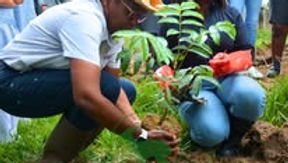
Forests and Wildlife Conservation: They spearhead community-led reforestation projects and promote sustainable alternative livelihoods to reduce dependence on charcoal production and illegal logging.
Water and Climate Resilience: They focus heavily on protecting critical water catchments across Zambia, ensuring rural communities have the tools to mitigate severe droughts and unpredictable rainy seasons.
Waste Management: WECSZ actively campaigns against plastic pollution, organizing community cleanup campaigns and working to create sustainable recycling alternatives to keep urban spaces and waterways clean.
How to Support or Join
WECSZ relies heavily on community participation and local fundraising.
Individual memberships are highly affordable (starting at around K100 annually for a single membership), giving people access to environmental talks, discounted camp rates, and regular field trips. Their national office on Kumoyo Road in Lusaka features a public shop where visitors can drop by, buy conservation merchandise, register school clubs, or sign up as active volunteers.
