
.png)

The gardener's guide
This collection of articles on various topics contain practical tips and insights to help you on your journey.
Gardening basics
Welcome to your ultimate starting point for a thriving garden!
Starting a garden from scratch or updating an existing garden is incredibly rewarding, but it’s easy to feel overwhelmed at first. The secret to success is simple: start small, focus on the fundamentals, and learn as you grow. Explore our short articles below to master the basics - from nurturing your soil to picking the perfect plants - and watch your green space come to life.


Click on the next page for more
Grow Your Vision
The School of Garden Design in South Africa offers premier distance-learning opportunities that fit seamlessly into any schedule. Through their comprehensive correspondence courses, students gain practical, expert-led training in landscape design principles and horticulture from the comfort of their own homes.
Home Gardening
Designing an ornamental garden isn't about following strict rules; it’s about choosing flowers, foliage, and layouts that genuinely suit your personal style. Whether you want to create a lush, vibrant sanctuary, a crisp and modern display, or a relaxed corner to unwind, the secret is to design intentionally and start small.
Explore our guides below to master the basics of plant pairing, layout design, and styling a green space that feels uniquely yours.


Join a club to tour local gardens
Sometimes you need a little more to inspire your gardening journey. Reach out to one of these garden clubs to find out how you can join them on one of their garden tours.

Join this vibrant community of gardeners who meet monthly to visit gardens and learn about other life skills.
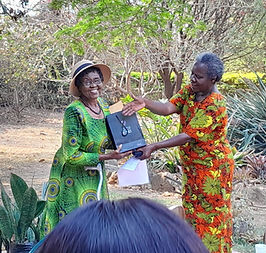
LGC is the oldest gardening club in Zambia, dating back to the 1960s. It continues to be a hub of knowledge sharing within Lusaka.

This community is based in the Copperbelt that brings together residents to network and share gardening expertise.
Vegetable Gardening
There is nothing quite like the satisfaction of walking into your garden and harvesting fresh, nutrient-dense food you grew yourself.
Starting a home vegetable garden is a powerful investment in your well-being, delivering peak nutrition and vibrant flavor straight to your kitchen table. Beyond the immense health and wellness benefits of active, outdoor physical activity, a thriving backyard plot can also ease your household grocery budget, or even transform into a rewarding source of extra income through local markets and community sharing.



Click on the next page for more
Eco-friendly living
Your garden is the perfect place to cultivate a more sustainable lifestyle. Sustainable gardening is all about working alongside nature—turning eco-friendly choices into simple, daily habits. By recycling organic waste into rich compost, conserving water, and nurturing living soil, you can slash your household waste and create a resilient ecosystem right in your backyard.
Explore our articles below to master earth-friendly practices like organic pest management and biodiversity support, and discover how rewarding it is to grow a garden that gives back.


Click on the next page for more
Bio-diversity
By inviting in beneficial insects, birds, and small creatures, you create a natural balance where predatory bugs handle your pests, pollinators boost your yields, and birds keep everything in check. It’s a rewarding, chemical-free way to let nature do the hard work for you.
Explore our guides below to discover how to design habitats, choose the right companion plants, and welcome the helpful creatures that keep your garden resilient and beautiful.




Zambian Plants and Places
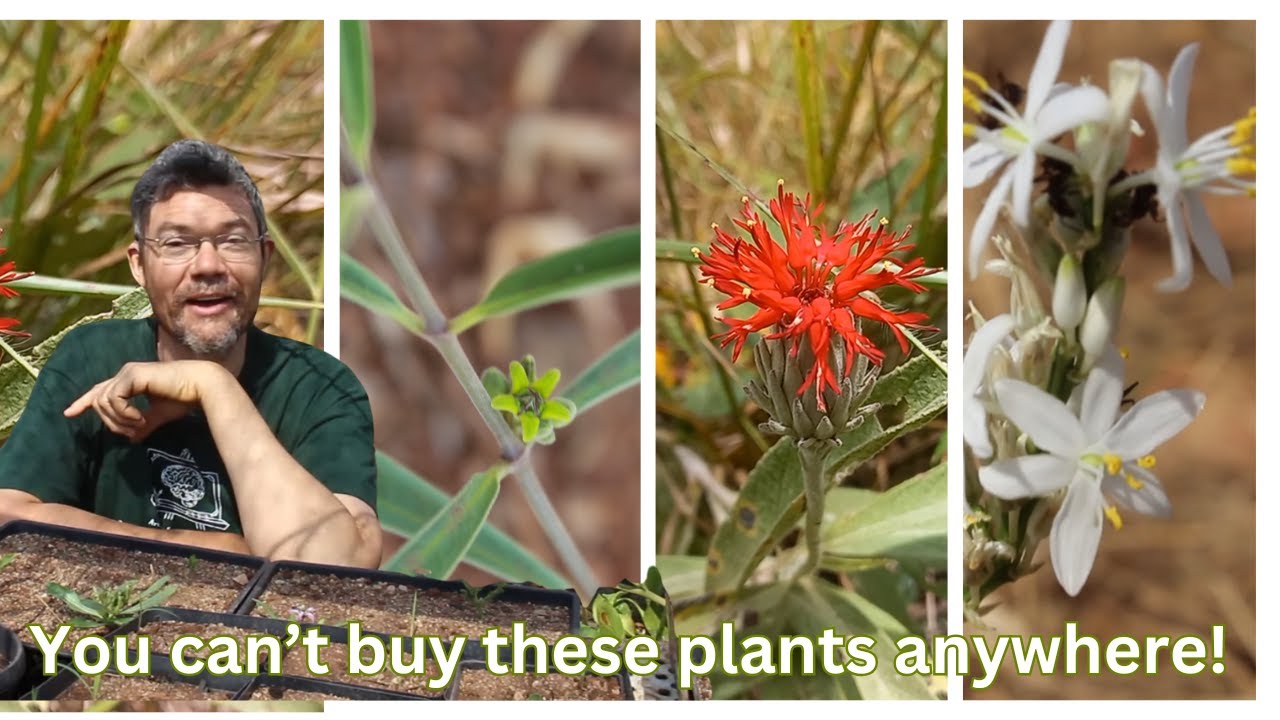
Zambia is home to some of the most breathtaking, diverse landscapes on the continent—from the canopy of our vast Miombo woodlands to the mist-soaked rainforest ecosystems surrounding Victoria Falls.
Our unique geographical regions nurture an incredible array of indigenous plants, rare orchids, and iconic giants like the Baobab and Zambezi Teak. Cultivating an appreciation for these local wonders allows us to better understand, celebrate, and protect the rich biodiversity that makes our environment so extraordinary


IMPROVING SOIL
Great gardening doesn’t start with the plants—it starts with the soil. Your soil is a living, breathing ecosystem that provides the vital nutrients, moisture, and air support your plants need to truly thrive.
By focusing on building rich, fertile soil through organic matter and healthy composting, you create a resilient foundation that naturally resists pests, retains water, and yields beautiful, abundant growth season after season.


Managing water
Water is the lifeblood of any home and garden, and managing it wisely is key to building a resilient, eco-friendly household. By mastering simple habits—like harvesting rainwater, optimizing your garden irrigation, and reusing greywater safely—you can significantly cut down on household waste and keep your green spaces thriving even during dry spells. Smart water management doesn't just protect a precious local resource; it also slashes your utility bills and secures your home against seasonal changes.


Click on the next page for more


