
.png)
Biological thrips management starts with monitoring

Thrips are among the most challenging pests in vegetable and horticultural crops in Zambia. Their feeding causes silvering, leaf distortion, flower damage, and fruit scarring, while several species also transmit destructive plant viruses.
Successful management relies on early detection and integrating biological control methods before populations reach damaging levels.
One of the most effective tools for monitoring and reducing thrips populations is Horiver Sticky Cards from Koppert. Sticky traps are exceptionally effective against thrips because they exploit the insect's natural biology, flight behavior, and chemical resistance.
Thrips are naturally attracted to specific wavelengths of light. While yellow sticky cards work well, bright blue sticky traps reflect a specific spectrum that thrips find irresistibly attractive, drawing them away from plants. While both yellow and blue sticky cards capture flying insects, blue sticky cards are significantly more attractive to thrips, making them the preferred choice for thrips monitoring and mass trapping. Yellow sticky cards attract a much wider range of insects, including whiteflies, aphids and fungus gnats, whereas blue cards provide more targeted monitoring of thrips populations.

Regular inspection of blue Horiver Sticky Cards allows growers to detect the first signs of thrips activity and make timely management decisions before infestations become severe. Early intervention is critical, as thrips reproduce rapidly under warm conditions and can spread quickly throughout a crop.
Supporting natural enemies with Lobularia
An effective biological thrips management programme extends beyond monitoring. Planting Koppert’s Lobularia (Lobularia maritima), also known as sweet alyssum, around field edges, along irrigation roads or in selected rows within the crop provides a continuous source of nectar and pollen for beneficial insects throughout the growing season.
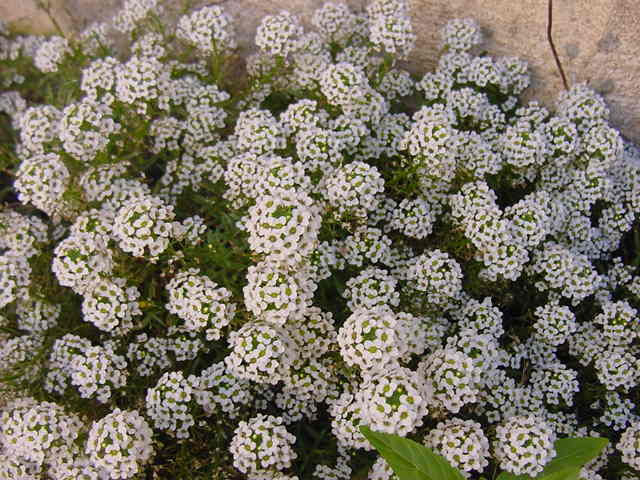
These flowers are particularly valuable because they sustain beneficial insects when pest numbers are low. Adult hoverflies, parasitoid wasps, and other natural enemies feed on the nectar, increasing their longevity, survival, and reproductive capacity. As their populations build, they help suppress a range of soft-bodied pests, contributing to a more balanced crop ecosystem. The flowering strips also encourage beneficial insects to remain in the crop rather than dispersing elsewhere.
For best results, Lobularia should be planted before or at crop establishment so that flowering coincides with the early stages of crop development. Maintaining flowering plants throughout the season ensures a continuous food source for beneficial insects and supports long-term biological control.
When combined with selective crop protection products that are compatible with beneficial insects, Lobularia helps create an environment where natural enemies can thrive, reducing pest pressure and improving the resilience of the crop.
An integrated approach
Combining blue Horiver Sticky Cards for early monitoring with Lobularia to conserve beneficial insects enables growers to detect thrips sooner, strengthen natural biological control, and reduce reliance on broad-spectrum insecticides. As part of a well-planned Integrated Pest Management (IPM) programme, these biological tools help produce healthier crops while supporting sustainable agriculture and protecting beneficial insect populations.


Comments